Course description

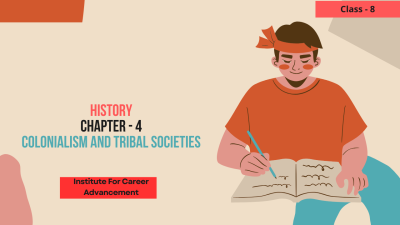
Colonialism and Tribal Societies: A Class 8 Course Overview

Course Objectives:

  • To understand the concept of colonialism and its historical context.
  • To explore the impact of colonialism on tribal societies worldwide.
  • To analyze the social, economic, and cultural changes brought about by colonialism.
  • To develop critical thinking skills and an appreciation for different cultures and perspectives.

Key Topics:

  1. Introduction to Colonialism:

    • Definition of colonialism
    • Historical context and motivations for colonial expansion
    • Major colonial powers and their empires
  2. Impact of Colonialism on Tribal Societies:

    • Social changes: disruption of tribal structures, forced assimilation, displacement and resettlement
    • Economic changes: introduction of cash economy, exploitation of resources, loss of traditional livelihoods
    • Cultural changes: erosion of traditional beliefs and practices, loss of indigenous knowledge, cultural assimilation
  3. Case Studies of Colonial Impact:

    • North America: Native American tribes and their experiences with European colonization
    • Africa: The Scramble for Africa and its impact on African tribal societies
    • India: British colonialism and its effects on Indian tribes and indigenous communities
    • Australia: British colonization and the impact on Aboriginal Australians
  4. Resistance and Resilience:

    • Indigenous resistance movements against colonial rule
    • The role of cultural preservation and revitalization efforts
    • Modern-day challenges faced by tribal communities

Activities and Assessments:

  • Research projects: Students can investigate specific case studies of colonialism and its impact on tribal societies.
  • Class discussions: Debates and discussions on controversial topics related to colonialism and indigenous rights.
  • Multimedia presentations: Students can create presentations using images, videos, and audio clips to illustrate key concepts.
  • Role-playing activities: Simulations of interactions between colonial powers and tribal communities.
  • Writing assignments: Essays, reports, and creative writing pieces on topics related to colonialism and tribal societies.

Learning Outcomes:

By the end of this course, students should be able to:

  • Define colonialism and explain its historical context.
  • Analyze the social, economic, and cultural impacts of colonialism on tribal societies.
  • Evaluate the role of indigenous resistance movements and cultural preservation efforts.
  • Develop critical thinking skills and an appreciation for diverse cultures and perspectives.
  • Understand the ongoing challenges faced by tribal communities today.

This course provides a comprehensive overview of the complex relationship between colonialism and tribal societies, equipping students with the knowledge and skills to critically analyze historical events and their lasting consequences.

উপনিবেশবাদ এবং উপজাতি সমাজঃ একটি ক্লাস 8 কোর্স ওভারভিউ

কোর্সের উদ্দেশ্যঃ


উপনিবেশবাদের ধারণা এবং এর ঐতিহাসিক প্রেক্ষাপট বোঝা।
বিশ্বব্যাপী উপজাতীয় সমাজের উপর উপনিবেশবাদের প্রভাব অন্বেষণ করা।
উপনিবেশবাদের ফলে সৃষ্ট সামাজিক, অর্থনৈতিক ও সাংস্কৃতিক পরিবর্তনগুলি বিশ্লেষণ করা।
সমালোচনামূলক চিন্তাভাবনার দক্ষতা এবং বিভিন্ন সংস্কৃতি ও দৃষ্টিভঙ্গির প্রতি উপলব্ধি গড়ে তোলা।
মূল বিষয়ঃ


উপনিবেশবাদের পরিচিতিঃ


উপনিবেশবাদের সংজ্ঞা
ঔপনিবেশিক সম্প্রসারণের জন্য ঐতিহাসিক প্রেক্ষাপট ও প্রেরণা
প্রধান ঔপনিবেশিক শক্তি এবং তাদের সাম্রাজ্য
উপজাতীয় সমাজের উপর উপনিবেশবাদের প্রভাবঃ


সামাজিক পরিবর্তনঃ উপজাতি কাঠামোর ব্যাঘাত, জোরপূর্বক একীভূতকরণ, স্থানচ্যুতি এবং পুনর্বাসন
অর্থনৈতিক পরিবর্তনঃ নগদ অর্থনীতির প্রবর্তন, সম্পদের শোষণ, ঐতিহ্যগত জীবিকার ক্ষতি।
সাংস্কৃতিক পরিবর্তনঃ ঐতিহ্যবাহী বিশ্বাস ও অনুশীলনের ক্ষয়, আদিবাসী জ্ঞানের ক্ষতি, সাংস্কৃতিক আত্তীকরণ।
ঔপনিবেশিক প্রভাবের কেস স্টাডিঃ


উত্তর আমেরিকাঃ নেটিভ আমেরিকান উপজাতি এবং ইউরোপীয় উপনিবেশের সাথে তাদের অভিজ্ঞতা
আফ্রিকাঃ আফ্রিকার জন্য হাতাহাতি এবং আফ্রিকান উপজাতীয় সমাজের উপর এর প্রভাব
ভারতঃ ব্রিটিশ উপনিবেশবাদ এবং ভারতীয় উপজাতি ও আদিবাসী সম্প্রদায়ের উপর এর প্রভাব
অস্ট্রেলিয়াঃ ব্রিটিশ উপনিবেশ এবং আদিবাসী অস্ট্রেলিয়ানদের উপর প্রভাব প্রতিরোধ ও স্থিতিস্থাপকতাঃ


ঔপনিবেশিক শাসনের বিরুদ্ধে আদিবাসী প্রতিরোধ আন্দোলন
সাংস্কৃতিক সংরক্ষণ ও পুনরুজ্জীবনের প্রচেষ্টার ভূমিকা
উপজাতীয় সম্প্রদায়গুলি আধুনিক সময়ের চ্যালেঞ্জগুলির সম্মুখীন হচ্ছে
কার্যক্রম ও মূল্যায়নঃ


গবেষণা প্রকল্পঃ শিক্ষার্থীরা উপনিবেশবাদের নির্দিষ্ট কেস স্টাডি এবং উপজাতি সমাজের উপর এর প্রভাব তদন্ত করতে পারে।
শ্রেণী আলোচনাঃ উপনিবেশবাদ ও আদিবাসী অধিকার সম্পর্কিত বিতর্কিত বিষয় নিয়ে বিতর্ক ও আলোচনা।
মাল্টিমিডিয়া উপস্থাপনাঃ শিক্ষার্থীরা ছবি, ভিডিও এবং অডিও ক্লিপ ব্যবহার করে মূল ধারণাগুলি ব্যাখ্যা করতে উপস্থাপনা তৈরি করতে পারে।
ভূমিকা পালন কার্যক্রমঃ ঔপনিবেশিক শক্তি এবং উপজাতি সম্প্রদায়ের মধ্যে মিথস্ক্রিয়ার অনুকরণ।
অ্যাসাইনমেন্ট লেখাঃ উপনিবেশবাদ এবং উপজাতি সমাজ সম্পর্কিত বিষয়ে প্রবন্ধ, প্রতিবেদন এবং সৃজনশীল লেখার টুকরো।
শেখার ফলাফলঃ


এই কোর্সের শেষে, শিক্ষার্থীদের সক্ষম হওয়া উচিতঃ


উপনিবেশবাদকে সংজ্ঞায়িত করুন এবং এর ঐতিহাসিক প্রেক্ষাপট ব্যাখ্যা করুন।
উপজাতীয় সমাজের উপর উপনিবেশবাদের সামাজিক, অর্থনৈতিক ও সাংস্কৃতিক প্রভাব বিশ্লেষণ করুন।
আদিবাসী প্রতিরোধ আন্দোলন এবং সাংস্কৃতিক সংরক্ষণের প্রচেষ্টার ভূমিকা মূল্যায়ন করুন।
সমালোচনামূলক চিন্তাভাবনার দক্ষতা এবং বিভিন্ন সংস্কৃতি ও দৃষ্টিভঙ্গির প্রতি উপলব্ধি গড়ে তুলুন।
আদিবাসী সম্প্রদায়গুলি আজ যে চ্যালেঞ্জগুলির মুখোমুখি হচ্ছে তা বুঝুন।
এই কোর্সটি ঔপনিবেশিকতা এবং উপজাতি সমাজের মধ্যে জটিল সম্পর্কের একটি বিস্তৃত পর্যালোচনা প্রদান করে, যা শিক্ষার্থীদের ঐতিহাসিক ঘটনা এবং তাদের স্থায়ী পরিণতি সমালোচনামূলকভাবে বিশ্লেষণ করার জন্য জ্ঞান এবং দক্ষতার সাথে সজ্জিত করে।

What will i learn?

  • By the end of this course, students should be able to: Define and explain the concept of colonialism: Understand the historical context, motivations, and key players involved in colonial expansion. Identify the social, economic, and cultural impacts of colonialism on tribal societies: Analyze the changes brought about by colonial rule, such as disruption of traditional structures, forced assimilation, exploitation of resources, and loss of cultural identity. Evaluate the role of indigenous resistance movements: Understand the strategies employed by tribal peoples to resist colonial domination and preserve their cultural heritage. Analyze the long-term consequences of colonialism: Recognize the ongoing challenges faced by tribal communities today, including poverty, discrimination, and loss of cultural identity. Develop critical thinking skills: Analyze historical evidence, evaluate different perspectives, and draw informed conclusions about the complex relationship between colonialism and tribal societies. Appreciate cultural diversity: Recognize the value of diverse cultures and the importance of preserving indigenous traditions. Foster a sense of social justice: Understand the historical injustices committed against tribal societies and the need for ongoing efforts to promote social justice and equality. Prepare for global citizenship: Develop a broader understanding of the world and the interconnectedness of different cultures and societies.
  • এই কোর্সের শেষে, শিক্ষার্থীদের সক্ষম হওয়া উচিতঃ উপনিবেশবাদের ধারণাটি সংজ্ঞায়িত ও ব্যাখ্যা করুনঃ ঔপনিবেশিক সম্প্রসারণের সাথে জড়িত ঐতিহাসিক প্রেক্ষাপট, প্রেরণা এবং মূল খেলোয়াড়দের বুঝুন। উপজাতীয় সমাজের উপর উপনিবেশবাদের সামাজিক, অর্থনৈতিক ও সাংস্কৃতিক প্রভাবগুলি চিহ্নিত করুনঃ ঔপনিবেশিক শাসনের দ্বারা আনা পরিবর্তনগুলি বিশ্লেষণ করুন, যেমন ঐতিহ্যবাহী কাঠামোর ব্যাঘাত, জোরপূর্বক একীভূতকরণ, সম্পদের শোষণ এবং সাংস্কৃতিক পরিচয়ের ক্ষতি। আদিবাসী প্রতিরোধ আন্দোলনের ভূমিকা মূল্যায়ন করুনঃ ঔপনিবেশিক আধিপত্য প্রতিরোধ এবং তাদের সাংস্কৃতিক ঐতিহ্য সংরক্ষণের জন্য উপজাতীয় জনগণের দ্বারা ব্যবহৃত কৌশলগুলি বুঝুন। উপনিবেশবাদের দীর্ঘমেয়াদী পরিণতি বিশ্লেষণ করুনঃ দারিদ্র্য, বৈষম্য এবং সাংস্কৃতিক পরিচয়ের ক্ষতি সহ উপজাতি সম্প্রদায়গুলি আজ যে চলমান চ্যালেঞ্জগুলির মুখোমুখি হচ্ছে তা স্বীকৃতি দিন। সমালোচনামূলক চিন্তাভাবনার দক্ষতা গড়ে তুলুনঃ ঐতিহাসিক প্রমাণ বিশ্লেষণ করুন, বিভিন্ন দৃষ্টিভঙ্গি মূল্যায়ন করুন এবং উপনিবেশবাদ ও উপজাতি সমাজের মধ্যে জটিল সম্পর্ক সম্পর্কে অবহিত সিদ্ধান্ত নিন। সাংস্কৃতিক বৈচিত্র্যের প্রশংসা করুনঃ বৈচিত্র্যময় সংস্কৃতির মূল্য এবং আদিবাসী ঐতিহ্য সংরক্ষণের গুরুত্বকে স্বীকৃতি দিন। সামাজিক ন্যায়বিচারের মনোভাব গড়ে তুলুনঃ উপজাতি সমাজের বিরুদ্ধে সংঘটিত ঐতিহাসিক অবিচার এবং সামাজিক ন্যায়বিচার ও সমতা বৃদ্ধির জন্য চলমান প্রচেষ্টার প্রয়োজনীয়তা বুঝতে হবে। বৈশ্বিক নাগরিকত্বের জন্য প্রস্তুতিঃ বিশ্ব সম্পর্কে বিস্তৃত ধারণা এবং বিভিন্ন সংস্কৃতি ও সমাজের আন্তঃসংযোগ গড়ে তোলা।

Requirements

  • Here are some reasons why studying Colonialism and Tribal Societies is important for Class 8 students: Understanding Historical Context: Colonialism was a significant period in world history that shaped the modern world. By studying this topic, students can gain a better understanding of the factors that led to the formation of modern nations, empires, and global inequalities. Developing Critical Thinking Skills: Colonialism is a complex topic that requires students to analyze different perspectives, evaluate evidence, and draw informed conclusions. This can help develop critical thinking skills that are essential for academic and personal success. Appreciating Cultural Diversity: Colonialism had a profound impact on tribal societies worldwide, leading to significant changes in their social, economic, and cultural structures. By studying this topic, students can gain a greater appreciation for the diversity of cultures and the importance of preserving indigenous traditions. Recognizing Historical Injustices: Colonialism often involved the exploitation and oppression of indigenous peoples. By studying this topic, students can learn about the historical injustices committed against tribal societies and the ongoing challenges they face today. Promoting Social Justice: Understanding the historical and ongoing impacts of colonialism can help students develop a sense of social justice and a desire to work towards creating a more equitable world. Preparing for Global Citizenship: In an increasingly interconnected world, it is important for students to understand the historical and contemporary relationships between different cultures and societies. Studying Colonialism and Tribal Societies can help prepare students for global citizenship by fostering empathy, understanding, and a commitment to social justice.
  • অষ্টম শ্রেণির শিক্ষার্থীদের জন্য উপনিবেশবাদ এবং উপজাতি সমাজ অধ্যয়ন কেন গুরুত্বপূর্ণ তার কয়েকটি কারণ এখানে দেওয়া হলঃ ঐতিহাসিক প্রেক্ষাপট বোঝাঃ ঔপনিবেশিকতা ছিল বিশ্ব ইতিহাসের একটি উল্লেখযোগ্য সময় যা আধুনিক বিশ্বকে রূপ দিয়েছে। এই বিষয়টি অধ্যয়নের মাধ্যমে শিক্ষার্থীরা আধুনিক জাতি, সাম্রাজ্য এবং বৈশ্বিক বৈষম্য গঠনের কারণগুলি সম্পর্কে আরও ভাল ধারণা অর্জন করতে পারে। সমালোচনামূলক চিন্তাভাবনার দক্ষতার বিকাশঃ উপনিবেশবাদ একটি জটিল বিষয় যার জন্য শিক্ষার্থীদের বিভিন্ন দৃষ্টিভঙ্গি বিশ্লেষণ, প্রমাণ মূল্যায়ন এবং জ্ঞাত সিদ্ধান্তে পৌঁছানো প্রয়োজন। এটি সমালোচনামূলক চিন্তাভাবনার দক্ষতা বিকাশে সহায়তা করতে পারে যা একাডেমিক এবং ব্যক্তিগত সাফল্যের জন্য প্রয়োজনীয়। সাংস্কৃতিক বৈচিত্র্যের প্রশংসাঃ ঔপনিবেশিকতা বিশ্বব্যাপী উপজাতীয় সমাজের উপর গভীর প্রভাব ফেলেছিল, যার ফলে তাদের সামাজিক, অর্থনৈতিক এবং সাংস্কৃতিক কাঠামোতে উল্লেখযোগ্য পরিবর্তন ঘটেছিল। এই বিষয়টি অধ্যয়নের মাধ্যমে শিক্ষার্থীরা সংস্কৃতির বৈচিত্র্য এবং আদিবাসী ঐতিহ্য সংরক্ষণের গুরুত্বের প্রতি আরও বেশি উপলব্ধি অর্জন করতে পারে। ঐতিহাসিক অন্যায়কে স্বীকৃতি দেওয়াঃ উপনিবেশবাদ প্রায়শই আদিবাসীদের শোষণ ও নিপীড়নের সাথে জড়িত ছিল। এই বিষয়টি অধ্যয়নের মাধ্যমে, শিক্ষার্থীরা উপজাতি সমাজের বিরুদ্ধে সংঘটিত ঐতিহাসিক অবিচার এবং বর্তমানে তারা যে চলমান চ্যালেঞ্জগুলির মুখোমুখি হচ্ছে সে সম্পর্কে জানতে পারে। সামাজিক ন্যায়বিচারের প্রচারঃ উপনিবেশবাদের ঐতিহাসিক এবং চলমান প্রভাবগুলি বোঝা শিক্ষার্থীদের সামাজিক ন্যায়বিচারের অনুভূতি এবং আরও ন্যায়সঙ্গত বিশ্ব তৈরির দিকে কাজ করার আকাঙ্ক্ষা গড়ে তুলতে সহায়তা করতে পারে। বৈশ্বিক নাগরিকত্বের জন্য প্রস্তুতিঃ ক্রমবর্ধমান আন্তঃসংযুক্ত বিশ্বে, শিক্ষার্থীদের জন্য বিভিন্ন সংস্কৃতি ও সমাজের মধ্যে ঐতিহাসিক ও সমসাময়িক সম্পর্কগুলি বোঝা গুরুত্বপূর্ণ। উপনিবেশবাদ এবং উপজাতি সমাজ অধ্যয়ন সহানুভূতি, বোঝাপড়া এবং সামাজিক ন্যায়বিচারের প্রতি প্রতিশ্রুতিবদ্ধ করে শিক্ষার্থীদের বিশ্বব্যাপী নাগরিকত্বের জন্য প্রস্তুত করতে সহায়তা করতে পারে।

Frequently asked question

Colonialism is a system of domination where a powerful nation establishes control over a weaker territory or people.

উপনিবেশবাদ হল আধিপত্যের একটি ব্যবস্থা যেখানে একটি শক্তিশালী জাতি একটি দুর্বল অঞ্চল বা জনগণের উপর নিয়ন্ত্রণ প্রতিষ্ঠা করে।

Economic reasons: Colonial powers sought to exploit the natural resources and labor of tribal societies for their own benefit. Political reasons: Colonialism was seen as a way to expand empires and increase a nation's prestige and power. Religious reasons: Some colonial powers sought to spread their religion and convert tribal peoples.

অর্থনৈতিক কারণঃ ঔপনিবেশিক শক্তিগুলি তাদের নিজস্ব সুবিধার জন্য উপজাতি সমাজের প্রাকৃতিক সম্পদ এবং শ্রমকে কাজে লাগাতে চেয়েছিল। রাজনৈতিক কারণঃ উপনিবেশবাদকে সাম্রাজ্য সম্প্রসারণ এবং একটি জাতির মর্যাদা ও ক্ষমতা বৃদ্ধির উপায় হিসাবে দেখা হত। ধর্মীয় কারণঃ কিছু ঔপনিবেশিক শক্তি তাদের ধর্ম ছড়িয়ে দিতে এবং উপজাতীয় জনগণকে ধর্মান্তরিত করতে চেয়েছিল।

Disruption of tribal structures: Colonial powers often divided tribal territories and weakened traditional forms of governance. Forced assimilation: Tribal peoples were often forced to adopt the language, culture, and religion of the colonizers. Displacement and resettlement: Colonial policies often led to the displacement of tribal communities from their ancestral lands.

উপজাতীয় কাঠামোর ব্যাঘাতঃ ঔপনিবেশিক শক্তিগুলি প্রায়শই উপজাতীয় অঞ্চলগুলিকে বিভক্ত করত এবং ঐতিহ্যবাহী শাসনব্যবস্থাকে দুর্বল করে দিত। জোরপূর্বক একীভূতকরণঃ উপজাতীয় জনগণকে প্রায়শই উপনিবেশবাদীদের ভাষা, সংস্কৃতি এবং ধর্ম গ্রহণ করতে বাধ্য করা হত। স্থানচ্যুতি ও পুনর্বাসনঃ ঔপনিবেশিক নীতিগুলি প্রায়শই উপজাতি সম্প্রদায়গুলিকে তাদের পৈতৃক জমি থেকে স্থানচ্যুত করে।

₹190

₹599

Lectures

0

Skill level

Beginner

Expiry period

Lifetime

Certificate

Yes

Share this course

Related courses