Course description

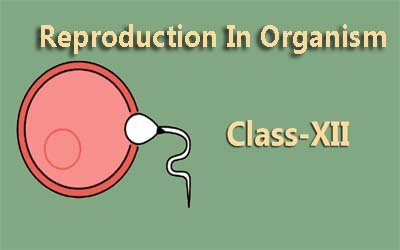
Reproduction is a biological process wherein younger ones produced are identical to their parents. This phenomenon is significant in the continuity of the species, generation after generation. Typically, reproduction is observed in all living organisms, from single-celled entities such as amoeba to multicellular entities of the most advanced forms, such as human beings. Reproduction is carried out in two modes, depending upon the participation of one or both parents.

Reproduction is vital to the process of continuity of species, and as a result, sustains a balance in the ecosystem amongst different biotic components precisely. Without reproduction, a life that is thriving now would cease. Reproduction also facilitates evolution due to variations arising from the process of reproduction through the intermingling of species (as seen in sexual reproduction).

প্রজনন একটি প্রাকৃতিক প্রক্রিয়া যা ক্রোমোজোমের সংমিশ্রণে নতুন সন্তান উৎপাদন করে। প্রাক-বিদ্যমান জীবগুলি জীবনের স্থিতিশীলতার ভারসাম্য বজায় রাখার জন্য এই অনুশীলনটি পরিচালনা করে। ক্লাস 12 জীববিজ্ঞান অধ্যায় 1 পুনর্বিবেচনা নোটগুলি উদ্ভিদ এবং প্রাণীদের মধ্যে জন্মের প্রক্রিয়া নিয়ে কাজ করে যা প্রজাতির জন্ম নিশ্চিত করে।
প্রজাতির ধারাবাহিকতার প্রক্রিয়ার জন্য প্রজনন অত্যাবশ্যক, এবং ফলস্বরূপ, বিভিন্ন জৈব উপাদানগুলির মধ্যে ইকোসিস্টেমে একটি ভারসাম্য বজায় রাখে। প্রজনন ব্যতীত, একটি জীবন যা এখন সমৃদ্ধ হচ্ছে তা বন্ধ হয়ে যাবে। প্রজাতির মিলনের মাধ্যমে প্রজনন প্রক্রিয়া থেকে উদ্ভূত ভিন্নতার কারণেও প্রজনন বিবর্তনকে সহজতর করে (যৌন প্রজননে দেখা যায়)।

Reproduction kaisa biological process oro kwtal achainai rok borok ni parents no sol layu . O phenomenon Species rokni generation no aguk rina bgui belai khe no Important

What will i learn?

  • The "Reproduction in Organisms" chapter in Class 12 Biology aims to equip students with a comprehensive understanding of how living beings reproduce. Upon successful completion of this chapter, students should be able to achieve the following learning outcomes: Conceptual Understanding: Define reproduction: Accurately define reproduction as a fundamental biological process and explain its significance for the continuity of species and the maintenance of life on Earth. Differentiate between asexual and sexual reproduction: Clearly distinguish between these two major modes of reproduction based on the number of parents involved, genetic similarity of offspring, and the role of gametes. Identify various types of asexual reproduction: Describe and provide examples of different asexual reproduction methods, including binary fission, budding, spore formation, fragmentation, and vegetative propagation (in plants, giving examples of structures involved). Explain the process of sexual reproduction: Outline the sequential events of sexual reproduction: pre-fertilization (gametogenesis and gamete transfer), fertilization (syngamy - internal and external), and post-fertilization (zygote formation and embryogenesis). Understand the concept of life span: Relate reproduction to the life span of an organism and the phases of life (juvenile/vegetative, reproductive, and senescent). Appreciate genetic variation: Explain how sexual reproduction contributes to genetic variation among offspring and its evolutionary significance. Understand the term "clone": Define "clone" in the context of asexual reproduction and explain why asexually produced offspring are considered clones. Application and Analysis: Compare and contrast reproductive strategies: Analyze the advantages and disadvantages of asexual and sexual reproduction in different organisms and relate these to their environments and life cycles. Predict outcomes of different reproductive modes: Given a scenario, predict the genetic characteristics of offspring based on the mode of reproduction. Analyze diagrams and flowcharts: Interpret diagrams representing various reproductive processes (e.g., budding in yeast, binary fission in Amoeba, vegetative propagules). Relate reproductive events to broader biological concepts: Connect the concepts of reproduction to principles of genetics, evolution, and ecology. Skills: Observation: (Potentially) Observe and identify different vegetative propagules in plants or microscopic organisms undergoing asexual reproduction. Drawing and labeling: Draw and label simple diagrams illustrating different types of asexual reproduction or the basic stages of sexual reproduction. Critical thinking: Evaluate the importance of reproduction for species survival and biodiversity. Problem-solving: Apply knowledge of reproductive processes to solve theoretical problems or answer conceptual questions
  • দ্বাদশ শ্রেণীর জীববিজ্ঞানের "জীবের প্রজনন" অধ্যায়ের লক্ষ্য হল শিক্ষার্থীদের জীবন্ত প্রাণী কীভাবে প্রজনন করে সে সম্পর্কে একটি বিস্তৃত ধারণা প্রদান করা। এই অধ্যায়টি সফলভাবে সম্পন্ন করার পর, শিক্ষার্থীদের নিম্নলিখিত শেখার ফলাফল অর্জন করতে সক্ষম হওয়া উচিত: ধারণাগত বোধগম্যতা: প্রজননকে সংজ্ঞায়িত করুন: একটি মৌলিক জৈবিক প্রক্রিয়া হিসেবে প্রজননকে সঠিকভাবে সংজ্ঞায়িত করুন এবং প্রজাতির ধারাবাহিকতা এবং পৃথিবীতে জীবনের রক্ষণাবেক্ষণের জন্য এর তাৎপর্য ব্যাখ্যা করুন। অযৌন এবং যৌন প্রজননের মধ্যে পার্থক্য করুন: জড়িত পিতামাতার সংখ্যা, বংশের জিনগত মিল এবং গ্যামেটের ভূমিকার উপর ভিত্তি করে প্রজননের এই দুটি প্রধান পদ্ধতির মধ্যে স্পষ্টভাবে পার্থক্য করুন। বিভিন্ন ধরণের অযৌন প্রজনন সনাক্ত করুন: বাইনারি ফিশন, উদীয়মান, স্পোর গঠন, খণ্ডিতকরণ এবং উদ্ভিজ্জ বংশবিস্তার (উদ্ভিদে, জড়িত কাঠামোর উদাহরণ দিয়ে) সহ বিভিন্ন অযৌন প্রজনন পদ্ধতির বর্ণনা এবং উদাহরণ প্রদান করুন। যৌন প্রজননের প্রক্রিয়া ব্যাখ্যা করুন: যৌন প্রজননের ক্রমিক ঘটনাগুলির রূপরেখা তৈরি করুন: প্রাক-নিষেক (গ্যামেটোজেনেসিস এবং গ্যামেট স্থানান্তর), নিষেক (সিঙ্গামি - অভ্যন্তরীণ এবং বাহ্যিক), এবং নিষেক-পরবর্তী (জাইগোট গঠন এবং ভ্রূণজনন)। আয়ুষ্কালের ধারণাটি বুঝুন: প্রজননকে একটি জীবের আয়ুষ্কাল এবং জীবনের পর্যায়গুলির (কিশোর/উদ্ভিদ, প্রজনন এবং বার্ধক্য) সাথে সম্পর্কিত করুন। জেনেটিক বৈচিত্র্যের প্রশংসা করুন: যৌন প্রজনন কীভাবে বংশের মধ্যে জিনগত বৈচিত্র্যের ক্ষেত্রে অবদান রাখে এবং এর বিবর্তনীয় তাৎপর্য ব্যাখ্যা করুন। "ক্লোন" শব্দটি বুঝুন: অযৌন প্রজননের প্রেক্ষাপটে "ক্লোন" সংজ্ঞায়িত করুন এবং ব্যাখ্যা করুন কেন অযৌনভাবে উৎপাদিত সন্তানদের ক্লোন হিসাবে বিবেচনা করা হয়। প্রয়োগ এবং বিশ্লেষণ: প্রজনন কৌশলগুলির তুলনা এবং বৈপরীত্য: বিভিন্ন জীবের মধ্যে অযৌন এবং যৌন প্রজননের সুবিধা এবং অসুবিধাগুলি বিশ্লেষণ করুন এবং এগুলিকে তাদের পরিবেশ এবং জীবনচক্রের সাথে সম্পর্কিত করুন। বিভিন্ন প্রজনন পদ্ধতির ফলাফল পূর্বাভাস দিন: একটি দৃশ্যকল্প দেওয়া হলে, প্রজনন পদ্ধতির উপর ভিত্তি করে বংশের জিনগত বৈশিষ্ট্যগুলি পূর্বাভাস দিন। চিত্র এবং ফ্লোচার্ট বিশ্লেষণ করুন: বিভিন্ন প্রজনন প্রক্রিয়ার প্রতিনিধিত্বকারী চিত্রগুলি ব্যাখ্যা করুন (যেমন, খামিরে উদীয়মান, অ্যামিবাতে বাইনারি ফিশন, উদ্ভিজ্জ প্রজনন)। প্রজনন ঘটনাগুলিকে বৃহত্তর জৈবিক ধারণার সাথে সম্পর্কিত করুন: প্রজননের ধারণাগুলিকে জেনেটিক্স, বিবর্তন এবং বাস্তুতন্ত্রের নীতিগুলির সাথে সংযুক্ত করুন। দক্ষতা: পর্যবেক্ষণ: (সম্ভাব্যভাবে) অযৌন প্রজননের মধ্য দিয়ে যাওয়া উদ্ভিদ বা অণুবীক্ষণিক জীবের বিভিন্ন উদ্ভিদ বংশবিস্তার পর্যবেক্ষণ এবং সনাক্তকরণ। অঙ্কন এবং লেবেলিং: বিভিন্ন ধরণের অযৌন প্রজনন বা যৌন প্রজননের মৌলিক পর্যায়গুলি চিত্রিত করে সরল চিত্র অঙ্কন এবং লেবেল করুন। সমালোচনামূলক চিন্তাভাবনা: প্রজাতির বেঁচে থাকা এবং জীববৈচিত্র্যের জন্য প্রজননের গুরুত্ব মূল্যায়ন করুন। সমস্যা সমাধান: তাত্ত্বিক সমস্যা সমাধানের জন্য বা ধারণাগত প্রশ্নের উত্তর দেওয়ার জন্য প্রজনন প্রক্রিয়ার জ্ঞান প্রয়োগ করুন।

Requirements

  • Studying "Reproduction in Organisms" in Class 12 Biology is crucial for several fundamental reasons, both from an academic perspective and for understanding the world around us: 1. Fundamental Biological Process: Continuity of Life: Reproduction is one of the defining characteristics of life. Without it, species would cease to exist. Understanding this process is essential to comprehending how life perpetuates itself on Earth. Perpetuation of Species: Every individual organism has a limited lifespan. Reproduction ensures that new individuals are produced to replace those that die, thereby maintaining the population and preventing extinction. 2. Understanding Diversity and Evolution: Genetic Variation: Sexual reproduction, in particular, introduces genetic variation among offspring. This variation is the raw material for natural selection and evolution, allowing species to adapt to changing environments and increasing their chances of survival. Asexual vs. Sexual Strategies: The chapter highlights the different reproductive strategies (asexual and sexual) and why different organisms adopt them based on their environment, complexity, and survival needs. This provides insight into the diverse adaptations of living beings. 3. Basis for Advanced Biological Studies: Human Reproduction and Health: This chapter lays the groundwork for subsequent chapters like "Human Reproduction" and "Reproductive Health." A solid understanding of general reproductive principles is vital for grasping the intricacies of human reproductive systems, reproductive disorders, family planning, and sexually transmitted infections. Genetics and Heredity: Reproduction is the mechanism by which genetic information is passed from one generation to the next. Studying reproduction provides a context for understanding inheritance patterns, genetic disorders, and the principles of heredity. Biotechnology and Agriculture: Concepts like vegetative propagation in plants are directly applicable in agriculture for improving crop yields, producing disease-resistant varieties, and generating genetically identical plants. Similarly, understanding reproductive processes is crucial for biotechnology, including genetic engineering and assisted reproductive technologies.
  • দ্বাদশ শ্রেণীর জীববিজ্ঞানে "জীবের প্রজনন" অধ্যয়ন করা বেশ কয়েকটি মৌলিক কারণে অত্যন্ত গুরুত্বপূর্ণ, একাডেমিক দৃষ্টিকোণ থেকে এবং আমাদের চারপাশের বিশ্ব বোঝার জন্য: ১. মৌলিক জৈবিক প্রক্রিয়া: জীবনের ধারাবাহিকতা: প্রজনন জীবনের একটি সংজ্ঞায়িত বৈশিষ্ট্য। এটি ছাড়া, প্রজাতির অস্তিত্ব বিলুপ্ত হয়ে যেত। পৃথিবীতে জীবন কীভাবে স্থায়ী হয় তা বোঝার জন্য এই প্রক্রিয়াটি বোঝা অপরিহার্য। প্রজাতির স্থায়িত্ব: প্রতিটি জীবের একটি সীমিত আয়ুষ্কাল থাকে। প্রজনন নিশ্চিত করে যে মৃত ব্যক্তিদের প্রতিস্থাপনের জন্য নতুন ব্যক্তি তৈরি করা হয়, যার ফলে জনসংখ্যা বজায় থাকে এবং বিলুপ্তি রোধ করা হয়। ২. বৈচিত্র্য এবং বিবর্তন বোঝা: জেনেটিক বৈচিত্র্য: বিশেষ করে যৌন প্রজনন, বংশধরদের মধ্যে জেনেটিক বৈচিত্র্যের পরিচয় দেয়। এই বৈচিত্র্য প্রাকৃতিক নির্বাচন এবং বিবর্তনের কাঁচামাল, যা প্রজাতিগুলিকে পরিবর্তিত পরিবেশের সাথে খাপ খাইয়ে নিতে এবং তাদের বেঁচে থাকার সম্ভাবনা বৃদ্ধি করতে দেয়। অযৌন বনাম যৌন কৌশল: অধ্যায়টি বিভিন্ন প্রজনন কৌশল (অযৌন এবং যৌন) এবং কেন বিভিন্ন জীব তাদের পরিবেশ, জটিলতা এবং বেঁচে থাকার চাহিদার উপর ভিত্তি করে সেগুলি গ্রহণ করে তা তুলে ধরে। এটি জীবের বিভিন্ন অভিযোজন সম্পর্কে অন্তর্দৃষ্টি প্রদান করে। ৩. উন্নত জৈবিক অধ্যয়নের ভিত্তি: মানব প্রজনন এবং স্বাস্থ্য: এই অধ্যায়টি "মানব প্রজনন" এবং "প্রজনন স্বাস্থ্য" এর মতো পরবর্তী অধ্যায়গুলির ভিত্তি স্থাপন করে। মানব প্রজনন ব্যবস্থা, প্রজনন ব্যাধি, পরিবার পরিকল্পনা এবং যৌন সংক্রামিত সংক্রমণের জটিলতাগুলি বোঝার জন্য সাধারণ প্রজনন নীতিগুলির একটি দৃঢ় ধারণা অত্যাবশ্যক। জেনেটিক্স এবং বংশগতি: প্রজনন হল সেই প্রক্রিয়া যার মাধ্যমে জিনগত তথ্য এক প্রজন্ম থেকে অন্য প্রজন্মে প্রেরণ করা হয়। প্রজনন অধ্যয়ন উত্তরাধিকারের ধরণ, জিনগত ব্যাধি এবং বংশগতির নীতিগুলি বোঝার জন্য একটি প্রেক্ষাপট প্রদান করে। বায়োটেকনোলজি এবং কৃষি: উদ্ভিদে উদ্ভিজ্জ বংশবিস্তারের মতো ধারণাগুলি ফসলের ফলন উন্নত করতে, রোগ-প্রতিরোধী জাত উৎপাদন করতে এবং জিনগতভাবে অভিন্ন উদ্ভিদ উৎপাদনের জন্য কৃষিতে সরাসরি প্রযোজ্য। একইভাবে, জেনেটিক ইঞ্জিনিয়ারিং এবং সহায়ক প্রজনন প্রযুক্তি সহ জৈবপ্রযুক্তির জন্য প্রজনন প্রক্রিয়াগুলি বোঝা অত্যন্ত গুরুত্বপূর্ণ।

Frequently asked question

Reproduction is the biological process by which new individual organisms are produced from their parents. It is essential for the perpetuation of species, ensuring the continuity of life on Earth, and replacing individuals lost due to deat

প্রজনন হলো জৈবিক প্রক্রিয়া যার মাধ্যমে নতুন স্বতন্ত্র জীব তাদের পিতামাতার কাছ থেকে উৎপন্ন হয়। প্রজাতির স্থায়িত্ব, পৃথিবীতে জীবনের ধারাবাহিকতা নিশ্চিত করা এবং মৃত্যুর কারণে হারিয়ে যাওয়া ব্যক্তিদের প্রতিস্থাপনের জন্য এটি অপরিহার্য।

Asexual Reproduction: Involves a single parent, offspring are genetically identical to the parent (clones), no gamete fusion, faster process. Sexual Reproduction: Involves two parents (usually), offspring show genetic variation, involves fusion of male and female gametes, slower process.

অযৌন প্রজনন: একক পিতামাতা জড়িত, সন্তানসন্ততি পিতামাতার সাথে জিনগতভাবে অভিন্ন (ক্লোন), কোনও গ্যামেট ফিউশন নয়, দ্রুত প্রক্রিয়া। যৌন প্রজনন: দুটি পিতামাতা জড়িত (সাধারণত), সন্তানসন্ততি জিনগত বৈচিত্র্য দেখায়, পুরুষ এবং মহিলা গ্যামেটের ফিউশন জড়িত, ধীর প্রক্রিয়া।

Vegetative propagation is a type of asexual reproduction in plants where new plants are produced from vegetative parts of the parent plant (roots, stems, leaves, buds) without the involvement of seeds or spores. It's asexual because it involves a single parent and the offspring are genetically identical.

উদ্ভিজ্জ বংশবিস্তার হল উদ্ভিদের এক ধরণের অযৌন প্রজনন যেখানে মূল উদ্ভিদের উদ্ভিজ্জ অংশ (শিকড়, কাণ্ড, পাতা, কুঁড়ি) থেকে বীজ বা স্পোরের জড়িততা ছাড়াই নতুন উদ্ভিদ উৎপন্ন হয়। এটি অযৌন কারণ এতে একক পিতামাতা জড়িত থাকে এবং বংশধররা জিনগতভাবে অভিন্ন।

Free

Lectures

9

Quizzes

4

Skill level

Beginner

Expiry period

Lifetime

Certificate

Yes

Share this course

Related courses